Not Every Breast Change Means Cancer
Latest news |
62 Views
Call Connect
You feel a lump in your breast while getting dressed and, almost immediately, your mind goes to the worst possibility. You search for answers online, feel even more worried, and wonder whether you should wait or see a specialist.
This is a common situation for patients looking for Benign Breast Disease Treatment in Gurugram. The reassuring part is that many breast conditions are not cancerous. But “benign” does not mean you should diagnose the problem yourself or ignore a persistent change.
A proper assessment can tell you what the condition is and whether it needs monitoring, treatment or removal.
Your symptoms deserve an answer
Benign breast diseases are non-cancerous conditions affecting breast tissue. They can include cysts, fibroadenomas, fibrocystic changes, infections and several other conditions.
Some cause pain or tenderness. Others may feel like a firm lump without causing any discomfort.
You should consider a specialist evaluation if you notice:
-
A new breast lump
-
Persistent breast pain
-
Breast swelling or tenderness
-
Nipple discharge
-
Changes in breast size or shape
-
A lump that changes during your menstrual cycle
-
Skin or nipple changes
-
A lump that continues to remain after your period
The important point is that the symptoms alone cannot tell you whether a lump is benign.
A lump can have many explanations
One of the most common concerns we hear from patients is, “If it does not hurt, does that mean it is cancer?”
Not necessarily.
A fibroadenoma, for example, can feel like a firm, smooth lump and may not cause pain. A cyst may also produce a noticeable lump or discomfort.
On the other hand, some serious breast conditions can also appear without pain. That is why a proper examination matters more than trying to interpret the lump yourself.
Don't label it before testing
It is tempting to call a lump a “cyst” or “hormonal swelling” because you have experienced something similar before.
But breast tissue can change for many reasons.
A breast specialist may recommend an ultrasound, mammogram or other investigation depending on your age, symptoms and examination findings. Sometimes a biopsy is needed to confirm what the tissue actually is.
Treatment doesn't always mean surgery
This is an important distinction.
Some benign breast conditions need no treatment at all. Your doctor may simply recommend observation and follow-up.
If a cyst is causing discomfort, for example, treatment may sometimes involve draining it. A fibroadenoma may also be monitored in appropriate cases, while removal can be considered when there are specific reasons to do so.
The treatment should match the condition—not simply the patient's fear.
A real-world example
Consider a woman in her 30s who discovered a small, firm breast lump while showering. She had no significant pain and initially planned to ignore it because she was otherwise healthy.
Instead, she had the lump evaluated. Imaging suggested a benign lesion, and further assessment confirmed that it was not cancerous. Because the diagnosis was clear, she no longer had to spend months worrying about what the lump might be.
The valuable result was not an operation. It was getting a definite answer and an appropriate plan.
The advice we challenge
Here is a contrarian point: “It is probably hormonal, so wait until your next period” is not advice that should be applied automatically.
Breast symptoms can certainly change with hormonal cycles. But if a lump is new, persistent, growing or unusual for you, simply waiting without professional advice may create unnecessary uncertainty.
Getting a lump checked does not mean you are expecting cancer. It means you are refusing to guess.
Benign doesn't always mean harmless
The word “benign” can sound like “nothing to worry about,” but some benign breast conditions can still cause significant discomfort, anxiety or repeated symptoms.
For example, recurring cysts may be painful. Certain benign changes can make breast examination more difficult. Some conditions may also require follow-up depending on their characteristics.
That is why treatment decisions should be based on the exact diagnosis.
Breast health needs regular attention
Breast cancer remains a major health concern worldwide, even though many breast complaints turn out to be benign.
The World Health Organization reported that breast cancer was the most commonly diagnosed cancer globally in 2022, with approximately 2.3 million women diagnosed worldwide that year.
This does not mean every breast lump is dangerous. It reinforces a simpler message: know your normal, notice meaningful changes and seek appropriate medical evaluation when something feels different.
What happens during your consultation?
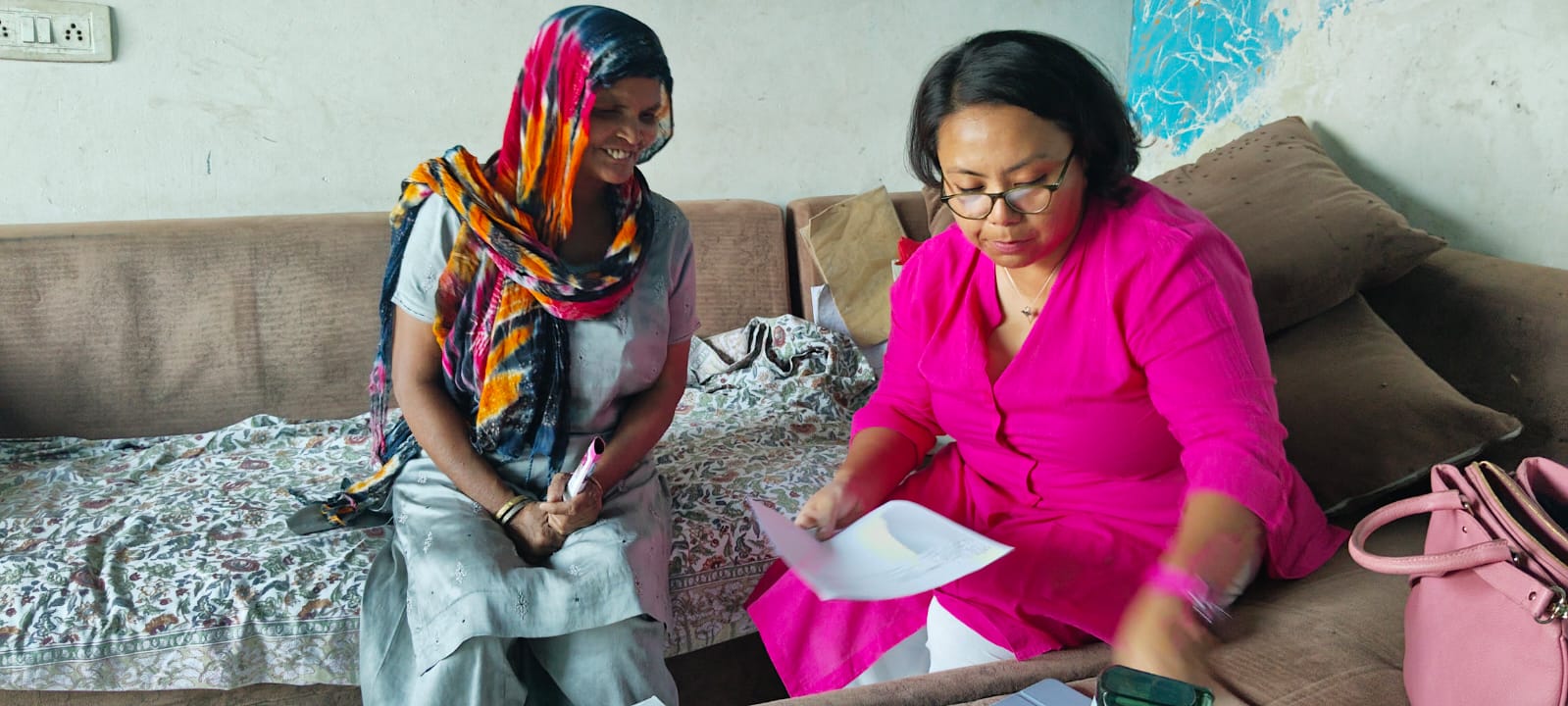
A specialist will usually begin by asking when you noticed the change and whether it has changed over time.
Your medical and family history may also be discussed. The doctor may perform a clinical breast examination and determine whether imaging or additional testing is appropriate.
If the findings suggest a benign condition, your doctor can explain whether monitoring is enough or whether treatment would provide a better outcome.
Questions worth asking
Do not hesitate to ask:
-
What could be causing this lump?
-
Do I need imaging?
-
Is a biopsy necessary?
-
Can this condition disappear on its own?
-
Do I need treatment or only monitoring?
-
Could the lump come back?
Clear answers can make the process much less frightening.
Our main breast specialties
Our breast-care approach covers a range of conditions and treatment needs.
Benign Breast Disease Treatment
Assessment and management of non-cancerous breast conditions, including cysts, fibroadenomas and other benign changes.
Breast Cancer Surgery
Surgical treatment when investigations confirm breast cancer.
Breast Reconstruction
Reconstructive options following appropriate breast cancer surgery.
Oncoplastic Breast Surgery
Combining cancer surgery with reconstructive principles where clinically appropriate.
Breast Conservation Surgery
Surgical approaches designed to remove cancer while preserving as much healthy breast tissue as possible in suitable patients.
A note about Dr. Ananya Deori
Dr. Ananya Deori represents our approach of making breast care clear, calm and patient-focused. When someone arrives worried about a lump, the first priority is understanding what is actually happening—not assuming the worst and not dismissing the concern. Appropriate evaluation helps patients make informed decisions about treatment or follow-up.
Don't let an unanswered lump become a long-term worry
Searching for Benign Breast Disease Treatment in Gurugram often begins with uncertainty. You may not know whether you need treatment, testing or simply reassurance.
The answer should come from a proper medical assessment—not from guessing based on symptoms.
If you have noticed a new or persistent breast lump, pain or other unusual change, schedule a consultation with Dr. Ananya Deori and bring any previous reports or scans to your appointment. A clear diagnosis is the first step toward choosing the right care.
Frequently Asked Questions
What are common benign breast diseases?
Common benign breast conditions include cysts, fibroadenomas, fibrocystic breast changes and some types of inflammation or infection. The exact diagnosis requires appropriate clinical assessment.
Can a benign breast lump go away on its own?
Some breast changes may settle or fluctuate naturally, particularly those influenced by hormonal changes. However, a new or persistent lump should be assessed before assuming it will disappear.
Does every benign breast lump need surgery?
No. Many benign lumps can simply be monitored. Surgery or another treatment may be considered if the lump causes symptoms, grows, has uncertain findings or requires removal for another clinical reason.
Take the next step: Don't spend weeks guessing about a breast lump. Get it assessed, understand the diagnosis and choose treatment or follow-up based on medical advice.
- Benign Breast Disease Treatment in Gurugram Sector 42
- Benign Breast Disease Treatment in Gurugram Sector 44
- Benign Breast Disease Treatment in Gurugram Sector 45
- Benign Breast Disease Treatment in Gurugram Sector 28