When Is a Mastectomy Necessary?
June 24, 2026 |
Latest news |
97 Views
Call Connect
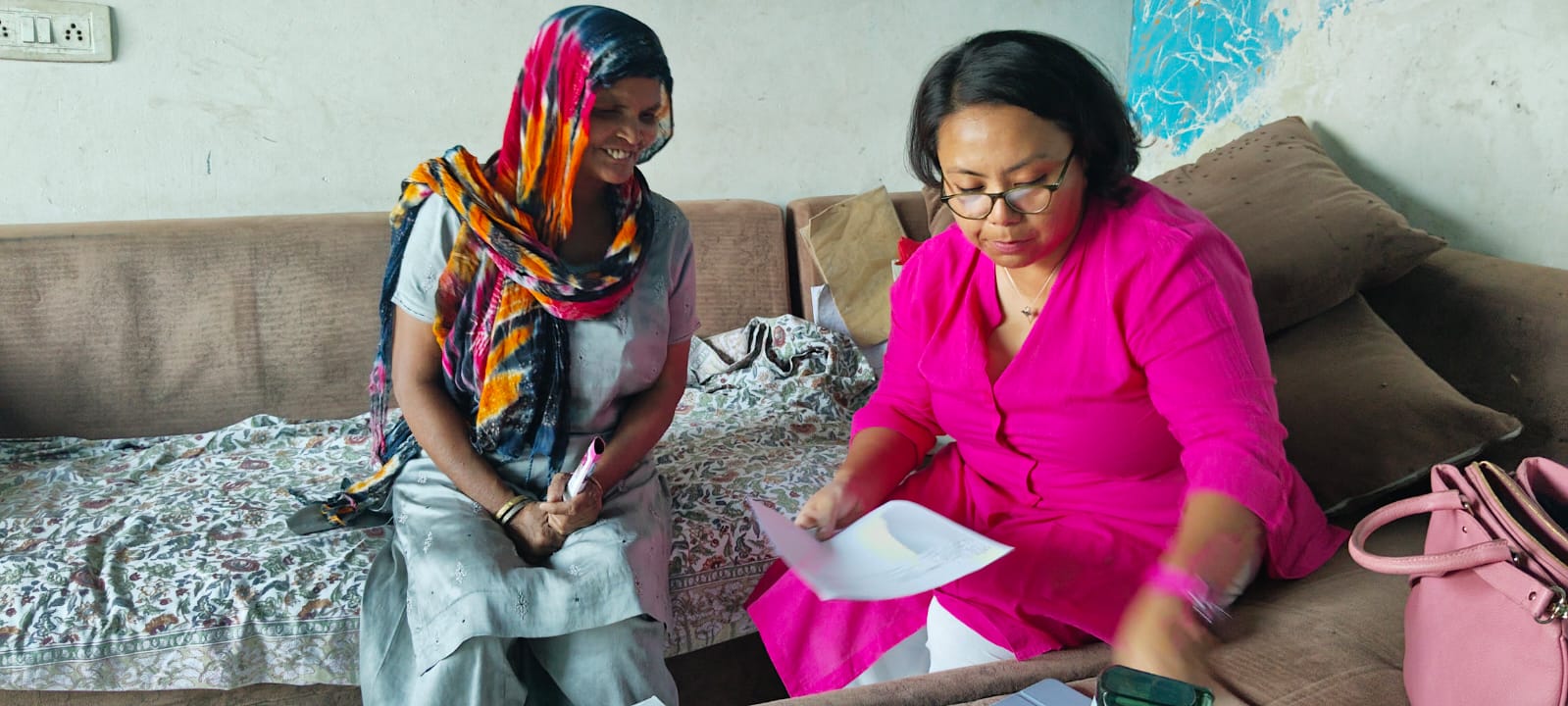
One of our patients at Medanta Mediclinic Defence Colony, Delhi, arrived with a question we hear quite often: "Will I definitely lose my breast if I have breast cancer?" She had recently been diagnosed and was terrified after reading information online. Like many patients, she assumed that mastectomy was the only treatment option available.
After a detailed consultation and evaluation, she learned that breast cancer treatment is highly personalized. While some patients require a mastectomy, others may qualify for breast conservation surgery. Understanding when a mastectomy is recommended can help patients make informed decisions and reduce unnecessary fear.
The reality is that a mastectomy remains one of the most effective surgical treatments for certain breast conditions, but it is never recommended without careful consideration.
What Is a Mastectomy?
A mastectomy is a surgical procedure that involves removing breast tissue to treat or prevent breast cancer.
Modern mastectomy techniques have evolved significantly over the years. Today's procedures often focus not only on treating disease but also on preserving appearance and supporting emotional recovery.
Specialists such as Dr. Ananya Deori work closely with patients to explain all available options before surgery is considered.
Main Specialities Associated with Mastectomy Surgery
Patients undergoing mastectomy often benefit from expertise in:
-
Breast cancer surgery
-
Mastectomy surgery
-
Breast conservation surgery
-
Oncoplastic breast surgery
-
Breast reconstruction surgery
-
Axillary surgery
-
Preventive breast surgery
-
Lymph node management
-
Cancer risk reduction surgery
-
Long-term breast cancer follow-up
Each treatment plan is customized based on the patient's diagnosis and goals.
When Is Mastectomy Surgery Recommended?
Many people believe a mastectomy is only performed for advanced cancer. This is not always true.
Several situations may make a mastectomy the most appropriate treatment option.
Large Breast Tumors
When a tumor is large relative to breast size, removing only the tumor may not provide the best cosmetic or medical outcome.
In such cases, mastectomy may be recommended.
Multiple Areas of Cancer
If cancer is present in several different areas of the breast, removing the entire breast may be safer than performing multiple separate procedures.
Recurrent Breast Cancer
Patients who experience cancer recurrence after previous treatment may sometimes require a mastectomy.
Genetic Risk Factors
Individuals with certain inherited genetic mutations may choose preventive mastectomy to significantly reduce future cancer risk.
Inflammatory Breast Cancer
Certain aggressive forms of breast cancer often require mastectomy as part of treatment.
A Common Myth Patients Should Ignore
One of the biggest misconceptions we encounter is:
"A mastectomy means I will never look or feel normal again."
Modern breast surgery has changed dramatically.
Today, many patients undergoing Mastectomy Surgery in Gurugram Sector 46 can also explore reconstruction options that help restore breast shape and improve confidence after treatment.
For many women, reconstruction can be performed immediately or planned for a later stage depending on individual circumstances.
Why Early Treatment Matters
According to breast cancer statistics reported in 2024, early diagnosis remains one of the strongest factors influencing treatment success and survival rates.
When breast cancer is identified early, patients often benefit from:
Seeking specialist evaluation promptly is one of the most important steps a patient can take.
Different Types of Mastectomy Procedures
Not all mastectomies are the same.
The procedure selected depends on the diagnosis and treatment goals.
Total Mastectomy
This involves removal of the breast tissue while preserving surrounding structures when appropriate.
Skin-Sparing Mastectomy
Skin is preserved to improve reconstruction outcomes.
Nipple-Sparing Mastectomy
In selected patients, the nipple and surrounding skin can be preserved while removing underlying breast tissue.
Preventive Mastectomy
Some individuals with very high cancer risk choose surgery before cancer develops.
An experienced surgeon helps determine which option is most suitable.
What Happens Before Surgery?
Patients often feel anxious because they are unsure what the process involves.
Medical Evaluation
Your surgeon reviews:
-
Imaging reports
-
Biopsy findings
-
Medical history
-
Family history
-
Overall health condition
Treatment Planning
A personalized surgical plan is developed.
Discussion of Reconstruction Options
Patients may also discuss reconstruction possibilities before surgery takes place.
Specialists like Dr. Ananya Deori ensure patients understand every stage of the process before making decisions.
Recovery After Mastectomy
Recovery experiences vary from patient to patient.
Most individuals can gradually return to normal activities over several weeks.
Recovery often includes:
A well-planned recovery strategy can significantly improve comfort and outcomes.
The Emotional Side of Mastectomy
One aspect that deserves more attention is emotional recovery.
Many patients worry about:
-
Body image
-
Self-confidence
-
Relationships
-
Future health concerns
In our experience, patients who openly discuss these concerns with their care team often feel more prepared and supported throughout treatment.
Cancer treatment is not only about removing disease—it is also about helping patients move forward confidently.
When Should You Consult a Breast Surgeon?
You should consider scheduling an appointment if:
-
You have been diagnosed with breast cancer
-
Imaging reports show suspicious findings
-
A biopsy confirms cancer
-
You have a strong family history of breast cancer
-
You are exploring preventive surgery options
-
Previous treatments have not resolved the condition
Early consultation helps ensure the widest range of treatment options.
FAQ
1. Does every breast cancer patient need a mastectomy?
No. Many patients qualify for breast conservation surgery depending on the size, location, and stage of the cancer.
2. Can breast reconstruction be performed after a mastectomy?
Yes. Many patients choose reconstruction either during the same surgery or at a later stage.
3. How long does recovery take after mastectomy surgery?
Recovery varies, but many patients resume most routine activities within several weeks, depending on the procedure performed.
Take the Next Step
If you have been diagnosed with breast cancer or are considering your treatment options, understanding whether a mastectomy is appropriate is an important part of the decision-making process. Schedule a consultation with an experienced breast specialist to discuss your diagnosis, explore your options, and receive personalized guidance that puts your health and confidence first.
- Mastectomy Surgery in Gurgaon Sector 38
- Mastectomy Surgery in Gurugram Sector 43
- Mastectomy Surgery in Gurugram Sector 42
- Mastectomy Surgery in Gurugram Sector 44