Taking Breast Health Seriously
Latest news |
53 Views
Call Connect
You notice a small lump while changing clothes. It does not hurt, and you tell yourself it is probably nothing. A few days later, you are still checking it in the mirror and wondering whether you are overreacting.
This is one of the most common reasons people start searching for a Breast Surgeon in Gurgaon Sector 38. The difficult part is not always the examination itself—it is knowing whether your breast change needs medical attention.
The good news is that seeing a breast surgeon does not automatically mean you have breast cancer. Breast surgeons assess lumps, pain, nipple changes, infections, benign breast conditions, suspicious findings and confirmed breast cancers.
Your breast deserves a proper check
A breast surgeon is a specialist who evaluates and treats conditions affecting the breast. Depending on what they find, they may recommend observation, imaging, a biopsy, medication or surgery.
You should consider a consultation if you notice:
-
A new lump or thickened area
-
A change in breast shape or size
-
Persistent breast pain in one particular area
-
Nipple discharge, especially if bloody
-
A nipple that has recently turned inward
-
Skin dimpling, redness or unusual thickening
-
A lump under the arm
-
A breast change that remains after your menstrual cycle
Not every change is dangerous. Cysts, fibroadenomas, infections and hormonal changes can also cause breast symptoms.
Don't wait for pain to appear
A common mistake is thinking that a serious breast problem must hurt.
It does not.
Some breast cancers can develop without pain, which is why a new or persistent change should not simply be ignored. A breast surgeon can determine whether the finding needs further investigation.
This is also where professional assessment beats internet searching. Looking at pictures online may make you more worried without telling you what is actually happening in your breast.
Start with the right specialist
You do not necessarily need to wait until a lump becomes large before seeing a specialist.
A Breast Surgeon in Gurgaon Sector 38 can assess the history of your symptoms, examine the breast and decide whether tests such as ultrasound, mammography or tissue sampling are appropriate.
The exact test depends on factors such as age, symptoms, examination findings and previous breast history.
A lump doesn't automatically mean cancer
This is an important point we often explain to patients.
Many breast lumps are benign. A fibroadenoma, cyst or other non-cancerous condition can feel alarming even when it is not dangerous.
But there is a catch: you cannot reliably determine the cause of a lump simply by feeling it yourself.
That is why an examination matters.
A real-world example
Consider a 42-year-old woman who noticed a firm lump in one breast but had no pain or other symptoms. She initially planned to wait for a few months because she assumed it was hormonal.
Instead, she chose to get it evaluated. Imaging identified an area that required further assessment, and a biopsy provided the diagnosis. Because the problem was investigated early rather than ignored, her treatment could be planned without unnecessary delay.
The lesson is not that every lump is cancer. The lesson is that uncertainty is a reason to get checked, not a reason to panic or postpone care.
The surprising advice we disagree with
Here is a contrarian point: “Wait and see” is not always the safest first step for a new breast lump.
People are often told to monitor a lump for several weeks because breast tissue can change with hormones. Sometimes that is reasonable—but it should depend on a clinical assessment.
If a lump is new, persistent, growing or associated with other concerning changes, getting professional advice first is often more sensible than making your own observation plan.
Early evaluation does not mean aggressive treatment. It simply means you know what you are dealing with.
Screening still matters
Symptoms are not the only reason to discuss breast health with a specialist.
Breast cancer screening recommendations vary based on age, personal risk, family history and local medical guidance. People with a strong family history or known genetic risk may need a different screening approach.
According to the American Cancer Society's 2025 estimates, about 316,950 new cases of invasive breast cancer were expected among women in the United States in 2025. The number highlights why awareness, appropriate screening and timely evaluation remain important parts of breast care.
What happens during your appointment?
Many patients worry that a breast consultation will immediately lead to surgery.
That is not how a careful consultation works.
Your doctor will first discuss your symptoms, medical history, menstrual history, family history and previous breast investigations. A clinical breast examination may then be performed.
If something needs further evaluation, your doctor may suggest imaging or a biopsy. The goal is to answer a simple question: What is causing this change, and what should we do next?
Surgery is only one possible part of treatment.
Our main breast specialties
Our breast-care approach can cover a wide range of concerns, including:
Breast Cancer Surgery
Evaluation and surgical management when breast cancer has been diagnosed.
Benign Breast Disease
Assessment and treatment of non-cancerous conditions such as cysts, fibroadenomas and other breast problems.
Breast Reconstruction
Reconstructive procedures may be considered after breast cancer surgery to help restore breast shape.
Oncoplastic Breast Surgery
Combines cancer surgery principles with reconstructive techniques to help achieve effective treatment while considering breast appearance.
Breast Conservation Surgery
For suitable patients, breast-conserving approaches may remove the cancer while preserving as much healthy breast tissue as possible.
A note about Dr. Ananya Deori
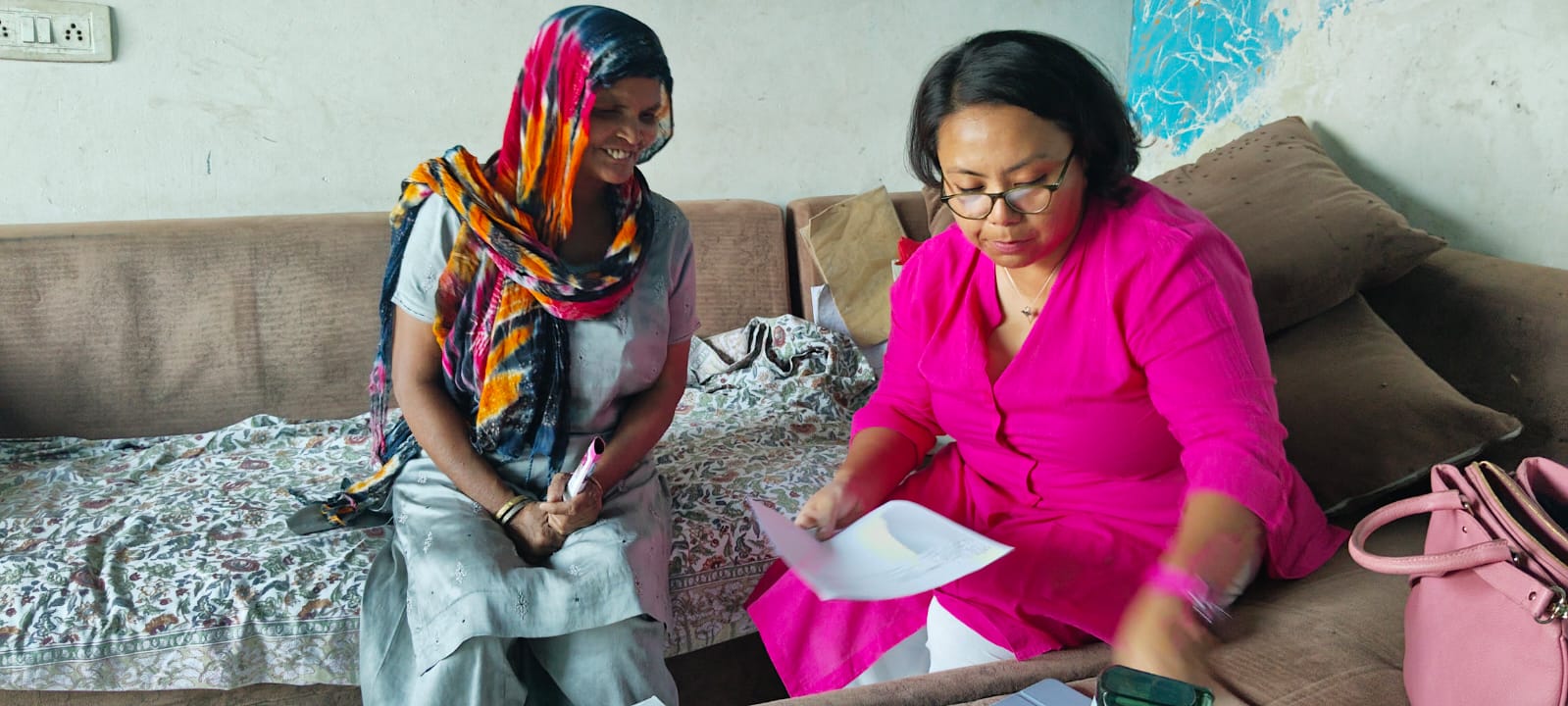
Dr. Ananya Deori represents the kind of patient-focused breast care we believe in: careful assessment, clear communication and treatment planning based on individual needs. Whether a patient arrives worried about a lump or needs guidance after a diagnosis, the focus should remain on understanding the condition and choosing an appropriate next step.
Don't let fear make the decision
Searching for a Breast Surgeon in Gurgaon Sector 38 can feel frightening when you have discovered a lump or another breast change.
But seeing a specialist is not an admission that something is seriously wrong. It is simply a way to replace uncertainty with information.
If you have noticed a new, persistent or unusual breast change, book a consultation rather than repeatedly checking it at home. Bring any previous reports or scans with you, describe exactly when you noticed the change, and let a breast specialist guide the next step.
Frequently Asked Questions
Is every breast lump cancerous?
No. Many breast lumps are benign, including cysts and fibroadenomas. However, a new or persistent lump should be professionally assessed rather than diagnosed at home.
Should I see a breast surgeon for breast pain?
Persistent, localized or unexplained breast pain can be discussed with a breast specialist, particularly if it occurs with a lump, nipple change, skin change or other unusual symptom.
What does a breast surgeon do?
A breast surgeon diagnoses and treats breast conditions, including benign breast problems and breast cancer. Treatment may involve monitoring, medication, imaging, biopsy or surgery depending on the condition.
Take the next step: If you have noticed a breast lump, persistent pain, nipple change or another unusual breast symptom, schedule a consultation with Dr. Ananya Deori a breast specialist and get a clear medical assessment instead of relying on guesswork.
- Breast Surgeon in Gurugram Sector 42
- Breast Surgeon in Gurugram Sector 44
- Breast Surgeon in Gurugram Sector 45
- Breast Surgeon in Gurugram Sector 28