When Should You Seek Professional Help?
July 10, 2026 |
Latest news |
93 Views
Call Connect
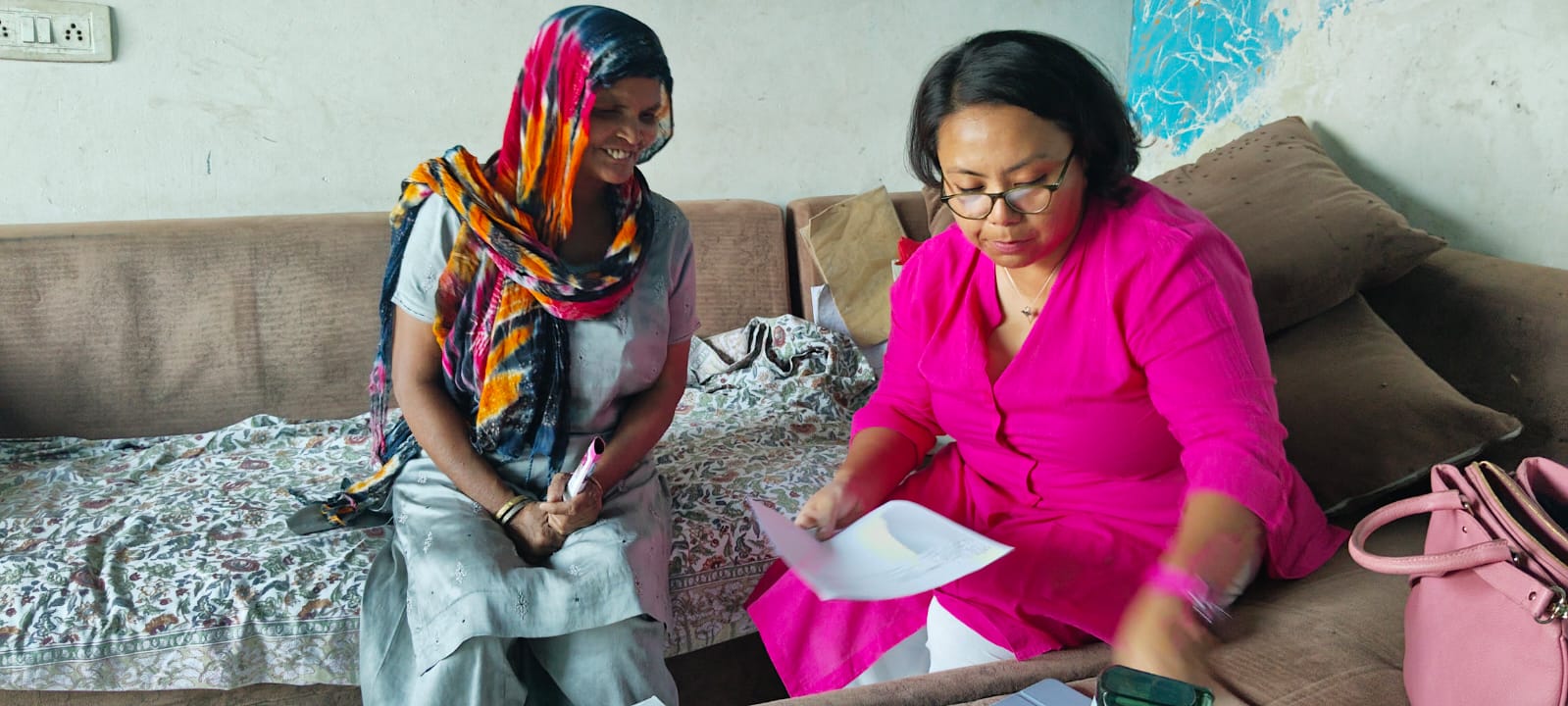
A new mother recently visited our team at Medanta Mediclinic Defence Colony, Delhi, feeling exhausted, frustrated, and overwhelmed. Her baby was only a few weeks old, but feeding sessions had become painful and stressful. Friends and family kept telling her that breastfeeding discomfort was normal and that she simply needed more time to adjust.
What she didn't realize was that her symptoms pointed to a treatable lactation issue.
After proper evaluation and guidance, feeding became significantly easier, and both mother and baby benefited from timely support. Stories like this are common because many women struggle silently with breastfeeding challenges, assuming they must simply "push through."
The truth is that Breast Feeding Lactation Treatment in Gurugram Sector 39 can help address many common breastfeeding concerns before they become bigger problems.
Why Breastfeeding Challenges Shouldn't Be Ignored
Breastfeeding is natural, but it does not always come naturally.
Many mothers experience difficulties during the first few weeks and months after childbirth. While some challenges resolve on their own, others require professional support.
Early intervention often prevents complications and improves both maternal and infant well-being.
Common Breastfeeding and Lactation Specialities
Specialists involved in lactation care may help with:
-
Breastfeeding support
-
Lactation counselling
-
Breast pain management
-
Nipple injury treatment
-
Breast engorgement treatment
-
Mastitis management
-
Milk supply concerns
-
Blocked milk ducts
-
Breastfeeding after surgery
-
Breast health during lactation
Experts such as Dr. Ananya Deori frequently help mothers manage breast-related concerns that affect successful breastfeeding.
Signs You Should Seek Lactation Treatment
Many women wait too long before seeking help.
The following symptoms should not be ignored.
Persistent Breastfeeding Pain
Some tenderness is common initially.
However, ongoing pain during feeding is not something mothers should simply tolerate.
Persistent pain may indicate:
-
Improper latch
-
Nipple trauma
-
Infection
-
Blocked ducts
Cracked or Bleeding Nipples
Severely cracked nipples can make feeding extremely difficult and may increase infection risk.
Professional guidance can often identify the underlying cause quickly.
Low Milk Supply Concerns
Many mothers worry that their baby is not receiving enough milk.
While perceived low supply is not always an actual supply issue, assessment by a specialist can provide clarity and reassurance.
Breast Engorgement
Painful breast fullness can make feeding difficult for both mother and baby.
Without treatment, engorgement may contribute to additional complications.
Recurrent Blocked Milk Ducts
Blocked ducts can cause pain, swelling, and feeding difficulties.
Early treatment often prevents more serious problems from developing.
A Common Myth That Causes Problems
One piece of advice we hear far too often is:
"If breastfeeding hurts, that's completely normal."
We disagree.
While mild discomfort may occur initially, ongoing pain is usually a sign that something needs attention.
Ignoring breastfeeding pain can lead to worsening symptoms, reduced milk transfer, and unnecessary emotional stress.
Seeking help early often makes the breastfeeding journey significantly easier.
Why Early Support Matters
According to maternal health reports published in 2024, early breastfeeding support continues to play a major role in improving breastfeeding success rates and maternal confidence.
Professional lactation support can help:
These benefits can positively impact both mother and baby.
Common Breast Conditions During Breastfeeding
Mastitis
Mastitis is a breast infection that may cause:
-
Breast pain
-
Redness
-
Fever
-
Swelling
Prompt treatment is important to prevent worsening symptoms.
Blocked Milk Ducts
Milk ducts can occasionally become obstructed, leading to localized pain and swelling.
Breast Abscess
Untreated infections may sometimes progress to abscess formation and require medical intervention.
Oversupply Issues
Excess milk production can create feeding challenges and discomfort.
Specialists such as Dr. Ananya Deori help identify the underlying cause and recommend appropriate treatment.
What Happens During a Lactation Consultation?
Many mothers feel nervous before seeking help.
Fortunately, consultations are typically supportive and practical.
Health Assessment
Your specialist may discuss:
Breast Examination
A careful examination helps identify any breast-related issues affecting feeding.
Personalized Recommendations
Treatment may include:
Every plan is tailored to the mother's specific situation.
The Emotional Side of Breastfeeding
Breastfeeding difficulties can affect more than physical health.
Many mothers experience:
-
Guilt
-
Anxiety
-
Frustration
-
Sleep deprivation
-
Loss of confidence
One important lesson we have learned from our patients is that needing help does not mean you are failing.
Breastfeeding challenges are common, and seeking support is often the fastest path to improvement.
When Should You Book an Appointment?
You should consider consulting a specialist if:
-
Breastfeeding remains painful
-
Nipples are cracked or bleeding
-
You suspect low milk supply
-
You experience recurrent blocked ducts
-
You develop breast swelling or redness
-
Feeding sessions become stressful or ineffective
Early support often prevents more complex problems later.
FAQ
1. Is breastfeeding supposed to hurt?
Mild discomfort may occur initially, but ongoing or severe pain should be evaluated by a healthcare professional.
2. What causes blocked milk ducts?
Blocked ducts can result from incomplete breast emptying, feeding difficulties, tight clothing, or pressure on breast tissue.
3. When should I seek help for mastitis?
If you experience breast pain, redness, swelling, or fever, seek medical advice promptly to prevent complications.
Take the Next Step
If you are struggling with breastfeeding pain, milk supply concerns, blocked ducts, or any other lactation-related challenge, don't wait for symptoms to worsen. Early guidance and treatment can make breastfeeding more comfortable and successful for both you and your baby. Schedule a consultation with an experienced breast health specialist and get the support you deserve.
- Breast Feeding Lactation Treatment in Gurgaon Sector 38
- Breast Feeding Lactation Treatment in Gurugram Sector 43
- Breast Feeding Lactation Treatment in Gurugram Sector 42
- Breast Feeding Lactation Treatment in Gurugram Sector 44