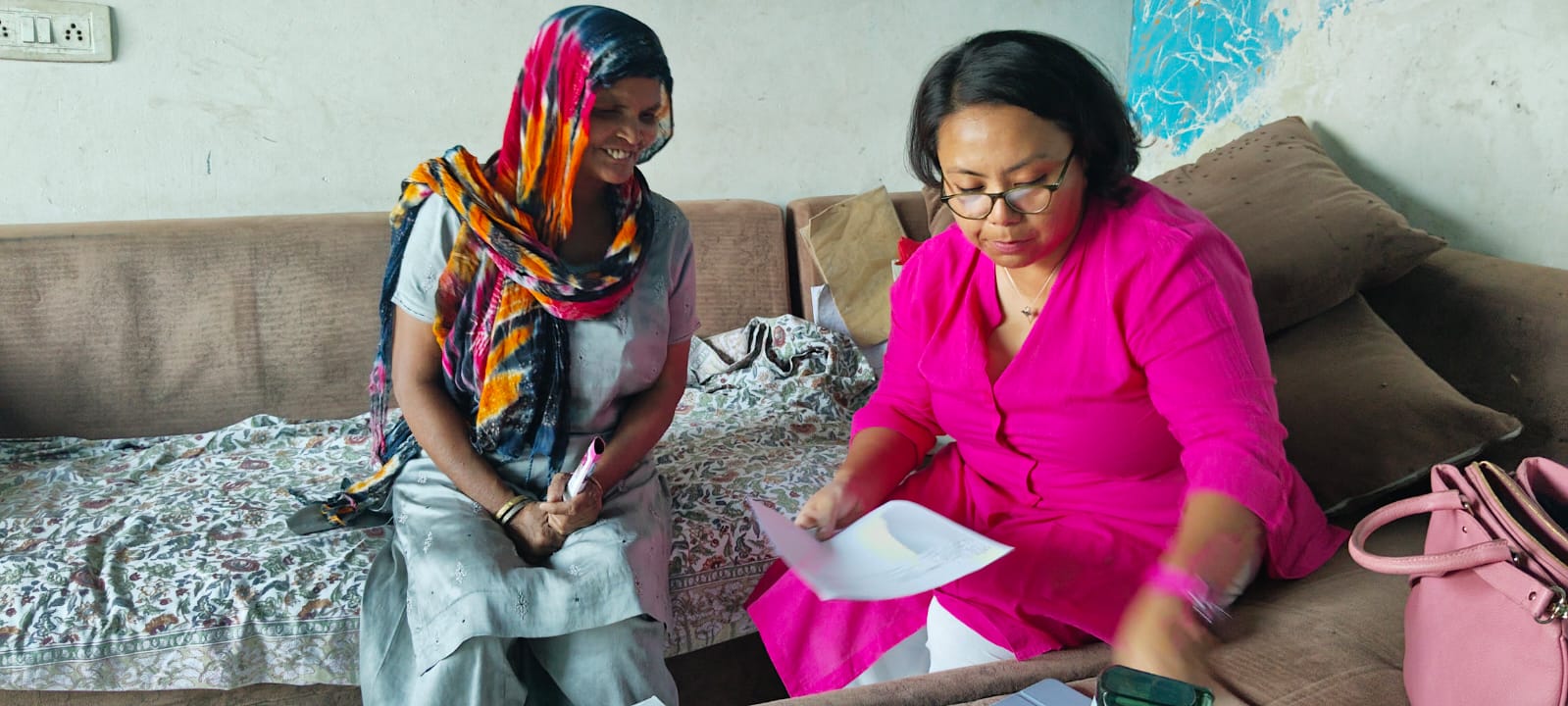
Why you should consult a Onco Surgeon
June 04, 2026 |
Latest news |
143 Views
Call Connect
A patient in his early 50s came to our team at Medanta Mediclinic Defence Colony, Delhi, after experiencing difficulty swallowing for several months. He initially thought it was acidity and kept trying home remedies. By the time he sought specialist care, the symptoms had become impossible to ignore.
Fortunately, after proper evaluation and treatment, his condition was identified and managed effectively. What stood out most was not the diagnosis itself—it was the delay. Like many people, he assumed that serious illnesses always come with dramatic warning signs.
The truth is that cancer often develops quietly. Knowing when to consult an onco surgeon can make a significant difference in treatment options and outcomes.
What Does an Onco Surgeon Do?
An onco surgeon is a specialist who diagnoses and surgically treats cancer and cancer-related conditions. They work closely with medical oncologists, radiation oncologists, radiologists, and pathologists to provide comprehensive cancer care.
If cancer is suspected or confirmed, an experienced onco surgeon plays a critical role in determining the most appropriate treatment plan.
Main Specialities of an Onco Surgeon
-
Breast cancer surgery
-
Endocrine cancer surgery
-
Thyroid tumor surgery
-
Soft tissue tumor removal
-
Lymph node surgery
-
Breast conservation surgery
-
Mastectomy surgery
-
Oncoplastic surgery
-
Cancer staging procedures
-
Cancer prevention surgeries
-
Reconstruction-related cancer surgeries
Specialists such as Dr. Ananya Deori focus on combining effective cancer treatment with the best possible functional and cosmetic outcomes for patients.
Signs You Should See an Onco Surgeon
Many people assume they only need an onco surgeon after receiving a cancer diagnosis. In reality, there are several situations where an early consultation is valuable.
A Lump That Doesn't Go Away
A persistent lump anywhere in the body should never be ignored.
While many lumps are harmless, some require further evaluation to determine whether they are cancerous or precancerous.
If a lump continues growing or remains present for several weeks, a specialist consultation is recommended.
Abnormal Biopsy Results
If a biopsy report indicates cancer, suspicious cells, or precancerous changes, an onco surgeon can explain the findings and discuss treatment options.
Many patients feel overwhelmed after receiving biopsy results. A consultation often helps provide clarity and direction.
Persistent Unexplained Symptoms
Certain symptoms deserve further investigation, including:
-
Unexplained weight loss
-
Persistent fatigue
-
Difficulty swallowing
-
Changes in bowel habits
-
Chronic unexplained pain
-
Non-healing wounds
While these symptoms do not always indicate cancer, they should not be ignored.
Family History of Cancer
Individuals with a strong family history of cancer may benefit from preventive consultations.
An experienced onco surgeon can help determine whether additional screening, genetic testing, or preventive measures are appropriate.
A Common Mistake People Make
One of the most harmful assumptions we encounter is:
"I'll wait and see if it gets worse."
Many cancers are far easier to treat when discovered early. Waiting for symptoms to become severe can reduce treatment options and increase treatment complexity.
The best time to investigate a suspicious symptom is often when it first appears—not months later.
Why Early Detection Matters
According to global cancer data reported in 2024, millions of new cancer cases continue to be diagnosed each year worldwide, making cancer one of the leading causes of disease-related deaths.
However, advances in screening, diagnosis, and surgical techniques have dramatically improved outcomes for many cancer patients.
Early diagnosis often leads to:
This is one reason why consulting the Best Onco Surgeon in Gurugram Sector 44 at the right time is so important.
What Happens During an Onco Surgery Consultation?
Patients often feel nervous before their first appointment because they are unsure what to expect.
Most consultations begin with a detailed discussion.
Medical History Review
Your surgeon may ask about:
Examination and Assessment
A physical examination helps identify any abnormalities that require further investigation.
Review of Diagnostic Reports
The surgeon may review:
-
Biopsy reports
-
CT scans
-
MRI scans
-
PET scans
-
Blood tests
Based on this information, a treatment strategy can be developed.
Modern Cancer Surgery Has Changed
Many people still picture cancer surgery the way it was performed decades ago.
Today's surgical approaches are often much more precise and personalized.
Minimally Invasive Techniques
In suitable cases, surgeons may use advanced techniques that reduce recovery time and minimize scarring.
Organ Preservation
Whenever medically appropriate, surgeons aim to preserve healthy tissue and maintain normal function.
Multidisciplinary Treatment Planning
Cancer care today often involves collaboration between multiple specialists to ensure the best possible outcome.
This team-based approach helps create treatment plans tailored to each patient's specific needs.
Conditions Commonly Treated by an Onco Surgeon
An onco surgeon may evaluate and treat:
Breast Cancer
One of the most common cancers requiring surgical treatment.
Thyroid Cancer
Often detected through neck swelling or thyroid nodules.
Soft Tissue Tumors
These can occur in muscles, fat, connective tissues, and other body structures.
Lymph Node Disorders
Certain enlarged lymph nodes require surgical assessment and treatment.
Endocrine Tumors
Tumors affecting hormone-producing glands may require specialized surgical expertise.
Specialists like Dr. Ananya Deori frequently help patients navigate these diagnoses while ensuring they understand every stage of treatment.
When Should You Schedule an Appointment?
Consider consulting an onco surgeon if:
-
A biopsy suggests cancer or precancerous changes
-
You have a persistent unexplained lump
-
Imaging reports show suspicious findings
-
Cancer has been diagnosed and surgery is being considered
-
You have a strong family history of cancer
-
Symptoms persist despite treatment
Seeking answers early is always better than waiting for symptoms to worsen.
FAQ
1. Do I need a referral to see an onco surgeon?
Not always. Many patients schedule consultations directly if they have suspicious symptoms, abnormal scans, or biopsy results.
2. Does seeing an onco surgeon mean I definitely have cancer?
No. Many patients are referred for evaluation of symptoms or abnormal findings that ultimately turn out to be non-cancerous.
3. Can cancer be treated without surgery?
Some cancers may be treated with medications, radiation therapy, or a combination of treatments. An onco surgeon helps determine whether surgery is necessary as part of your treatment plan.
Take the Next Step
If you have a persistent lump, abnormal test results, unexplained symptoms, or concerns about cancer risk, don't postpone getting expert advice. Early evaluation often leads to better treatment options and greater peace of mind. Schedule a consultation with an experienced cancer specialist and take control of your health with confidence.
- Best Onco Surgeon in Gurgaon Sector 38
- Best Onco Surgeon in Gurugram Sector 43
- Best Onco Surgeon in Gurugram Sector 42
- Best Onco Surgeon in Gurugram Sector 44